
Niobium Ring Explained: Benefits, Applications and Sourcing Guide
Quick Facts About Niobium Rings
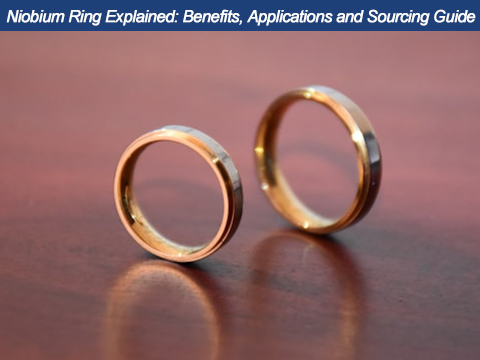
A niobium ring is a ring made from high-purity niobium metal. It is popular in jewelry, body piercing, chainmaille, and industrial manufacturing. The material is naturally hypoallergenic and highly corrosion-resistant. It easily anodizes into vibrant colors and adapts to custom sizing. Because of this, niobium rings offer outstanding durability, safety, and versatility. They are ideal for high-end jewelry and precision technical components alike.
| Property | Value |
|---|---|
| Material | High-purity Niobium (Nb) |
| Density | 8.57 g/cm³ |
| Melting Point | 2,468°C |
| Skin Safety | Naturally hypoallergenic |
| Corrosion Resistance | Excellent |
| Color Options | Anodized without plating |
| Typical Uses | Jewelry, body piercings, chainmaille, industrial components |
| Custom Manufacturing | Available for OEM and bulk orders |
What Is a Niobium Ring?
A niobium ring is a component made from pure niobium. Niobium is a refractory metal known for its excellent corrosion resistance and biocompatibility. It also offers exceptional high-temperature performance. Depending on the use, the term can refer to decorative jewelry or precision industrial parts. Niobium offers a unique combination of properties. Because of this, niobium rings have become a top choice for designers, manufacturers, and engineers alike.
Jewelry and Decorative Niobium Rings
In the jewelry industry, a niobium ring refers to a variety of finished products. These include wedding bands, jump rings, earrings, bracelets, pendants, and other fashion accessories. Niobium is naturally nickel-free. This makes it an ideal choice for people with sensitive skin. Unlike plated jewelry, anodized niobium gets its vivid colors from a natural oxide layer. This creates long-lasting finishes that resist peeling or flaking.
Another reason jewelry makers value a niobium ring is its workability. Compared to titanium, niobium offers superior workability. It is easier to cut, bend, and form into seamless rings or detailed shapes. This flexibility makes it a favorite material for artisans. They rely on it to create custom handcrafted jewelry and vibrant chainmaille designs.
Industrial Niobium Rings
Outside the jewelry market, a niobium ring can refer to precision-machined industrial parts. These components are used in demanding environments. These rings can act as raw feedstock or fully finished components. Key industries rely on them, including semiconductors, aerospace, and medical device manufacturing. They are equally critical in superconducting systems and chemical processing plants.
Industrial buyers typically require strict control over purity, dimensional accuracy, and material traceability. High-purity niobium provides reliable performance under harsh conditions while maintaining excellent corrosion resistance. Custom sizes and tight tolerances are often essential for research projects and large-scale manufacturing.
Why Choose a Niobium Ring?
Choosing the right material directly affects product quality, customer satisfaction, and long-term performance. A niobium ring stands out. It combines skin safety, corrosion resistance, attractive appearance, and easy fabrication. These advantages make it suitable for both decorative and industrial applications.
Niobium Ring vs. Other Jewelry Metals
The following comparison highlights how a niobium ring compares with others.
| Property | Niobium | Titanium | Stainless Steel | Sterling Silver | Platinum |
|---|---|---|---|---|---|
| Hypoallergenic | Excellent | Excellent | Good (depends on grade) | Moderate | Excellent |
| Density (g/cm³) | 8.57 | 4.5 | 7.8–8.0 | 10.4 | 21.4 |
| Corrosion Resistance | Excellent | Excellent | Good | Moderate | |
| Anodized Colors | Wide color range | Limited colors | Rarely anodized | No | |
| Ease of Forming | Easy | Difficult | Moderate | Easy | Moderate |
| Maintenance | Low | Low | Low | Frequent polishing | Low |
| Typical Uses | Jewelry, piercings, industrial parts | Jewelry, aerospace | Jewelry, hardware | Jewelry | Luxury jewelry |
Compared with sterling silver, a niobium ring does not tarnish easily and requires much less maintenance. Unlike some stainless steel grades, it contains no nickel, making it a better choice for sensitive skin. Although titanium is lighter, niobium is easier to shape into detailed jewelry. At the same time, niobium offers a broader range of anodized colors.
Major Advantages of a Niobium Ring
Naturally Hypoallergenic
A niobium ring contains no nickel and is widely recognized as one of the safest metals for people with sensitive skin. This makes it a trusted material for earrings, body jewelry, and everyday rings.
Outstanding Corrosion Resistance
Niobium naturally forms a thin oxide layer that protects the surface from corrosion. As a result, a niobium ring maintains its appearance even after years of regular wear or exposure to moisture.
Beautiful Anodized Colors
One of the most distinctive features of a niobium ring is its ability to display brilliant colors without paint or plating. Anodizing allows manufacturers to create a wide spectrum of shades. They can produce gold, blue, purple, green, bronze, and black. Crucially, this coloring process preserves all of the metal's natural properties.
Excellent Workability
Compared with titanium, niobium is easier to bend, cut, and fabricate. Jewelry manufacturers can produce seamless rings, jump rings, and complex decorative pieces with greater efficiency and less tool wear.
Reliable Long-Term Performance
Whether used in jewelry or industrial equipment, a niobium ring offers dependable mechanical properties and excellent chemical stability. This combination reduces maintenance and extends product life.
Key Applications of Niobium Rings
The versatility of the niobium ring makes it valuable across many industries. From handcrafted jewelry to advanced engineering, niobium continues to gain attention. This popularity comes from its unique balance of beauty and performance.
Jewelry Manufacturing

Jewelry manufacturers use niobium rings for many products. They craft wedding bands, fashion rings, earrings, bracelets, pendants, and other premium accessories. Because niobium is hypoallergenic and corrosion-resistant, it offers lasting comfort for daily wear. Designers also appreciate its anodizing capabilities. They can create colorful, distinctive collections without relying on surface coatings or plating.
Niobium offers significant advantages for OEM jewelry brands. It provides consistent quality and custom dimensions. It also delivers attractive finishes. These features make it suitable for both small artisan collections and large production runs.
Body Piercing and Professional Studios

A niobium ring is widely used in professional body piercing. It combines high safety with strong visual appeal. Many popular piercings are made from high-purity niobium. These include septum rings, nose rings, and eyebrow jewelry. Lip rings, daith rings, and captive bead rings are also commonly manufactured from this metal.
Professional piercers often recommend niobium for clients with metal sensitivities. This is because it is naturally hypoallergenic. It is also highly biocompatible. Additionally, anodized niobium allows studios to offer vibrant color options. They can provide these colors without compromising skin safety or durability.
Chainmaille and Artisan Metalwork
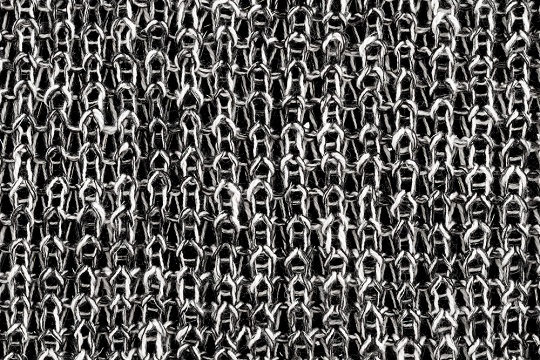
Chainmaille artists rely heavily on niobium rings. They use them to produce colorful jump rings and woven designs. These patterns are used for necklaces, bracelets, earrings, and decorative armor. Niobium bends more easily than titanium. Because of this, artisans can create intricate patterns while maintaining excellent strength.
Its stable anodized colors also help handmade jewelry stand out from products made with aluminum or stainless steel. This gives premium collections a distinctive appearance and higher perceived value.
Medical, Aerospace, and Industrial Components
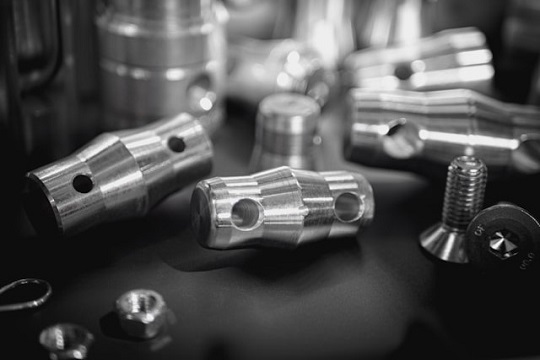
Beyond jewelry, the niobium ring serves important roles in high-performance industries. Precision rings are used in medical devices, laboratory equipment, semiconductor manufacturing, aerospace assemblies, superconducting systems, and chemical processing.
Niobium is built for extreme environments. It boasts a high melting point of roughly 2,468°C, alongside superior corrosion resistance and chemical stability. Because of these qualities, manufacturers rely on niobium rings as raw feedstock. They machine them into precision parts designed for harsh conditions. A high-quality niobium ring provides an exceptional solution for any industry that requires high purity, exact dimensional accuracy, and a long service life.
Niobium Ring Specifications Buyers Should Know
Understanding technical specifications is vital for any business buying niobium rings. It directly impacts product performance, manufacturing efficiency, and overall quality. This is true across all sectors, including jewelry, body piercing, and industrial manufacturing. Before placing an order, buyers must assess key factors. These include purity levels, exact dimensions, surface finishes, and custom options.
Typical Niobium Ring Parameters
| Parameter | Typical Range / Notes |
|---|---|
| Purity | ≥99.9% niobium for jewelry and piercing applications; industrial grades based on specific requirements |
| Outer Diameter (OD) | Approximately 2 mm to over 50 mm depending on application |
| Wall Thickness | About 0.3–3 mm or customized according to design requirements |
| Surface Finish | Polished, brushed, machined, or anodized finishes available |
| Applications | Jewelry, body piercing, chainmaille, medical, aerospace, and industrial components |
| Customization | Custom sizes, tolerances, and production volumes available |
Purity is one of the most important factors when selecting a niobium ring. Jewelry and piercing applications typically require high-purity niobium. This is because it provides excellent biocompatibility and minimizes the risk of skin reactions. Industrial customers may require specific chemical compositions or additional material certifications based on their operating environment.
Dimensions also play a key role in product performance. A jewelry manufacturer may need small-diameter rings for earrings or jump rings. Industrial customers may require larger precision rings for specialized equipment. Custom outer diameter, inner diameter, and thickness allow manufacturers to match the component to their exact application.
Surface finish affects both appearance and function. A polished niobium ring provides a smooth, premium look for jewelry. Brushed or machined surfaces may be preferred for industrial components. For decorative applications, anodized finishes offer a wide range of stable colors without using traditional coatings.
Important Factors When Ordering Niobium Rings
Before purchasing a niobium ring, buyers should confirm:
- Required niobium purity and material certification
- Ring dimensions and manufacturing tolerances
- Surface finish requirements
- Quantity and production schedule
- Intended application environment
- Packaging and delivery requirements
For companies requiring special designs, working with an experienced niobium supplier can simplify the process. SIZEN LIMITED provides high-purity niobium materials and customized solutions. We support different specifications for jewelry makers, research projects, and industrial applications.
Anodized Niobium Rings: Colors, Process & Durability
One of the most attractive features of a niobium ring is its ability to achieve bright, long-lasting colors through anodizing. Unlike painted surfaces or plated finishes, anodized colors are created by modifying the natural oxide layer on the niobium surface. This makes the color part of the material itself rather than an additional coating.
How Anodizing Creates Colors on Niobium Rings
Anodizing is an electrochemical process that increases the thickness of niobium's natural oxide layer. When light interacts with this oxide layer, it creates different colors through optical effects.
The basic process is:
Electrical current → Oxide layer growth → Light interference → Visible color
The final color depends mainly on the anodizing voltage and oxide thickness. Because no dyes or surface coatings are added, anodized niobium maintains the natural properties of the metal.
Popular Colors of Anodized Niobium Rings
A wide variety of colors can be produced on a niobium ring, including:
- Gold, Bronze, Purple, Blue, Green, Teal, Black
This color flexibility makes anodized niobium especially popular among jewelry designers and piercing studios. Brands can create unique collections with consistent color options while maintaining the safety advantages of high-purity niobium.
Durability and Maintenance of Anodized Niobium Rings
Anodized colors are generally more durable than plated finishes because they are created within the oxide layer instead of being added as a separate coating. A properly manufactured niobium ring can maintain its appearance for long-term everyday use.
However, like all colored metal surfaces, anodized niobium can be affected by extreme scratching, strong chemicals, or aggressive polishing. Proper cleaning with mild soap and water is usually enough to maintain the finish.
For manufacturers producing multiple jewelry collections, consistent anodizing is also important. Reliable suppliers can help achieve repeatable colors across different production batches.
Market Trends Driving Demand for Niobium Rings
The demand for the niobium ring continues to grow as more industries focus on safe, durable, and high-performance materials. Although most global niobium consumption is used in steel production through ferroniobium, high-purity niobium remains valuable for specialized applications.
Several trends are supporting demand:
Growth of Hypoallergenic Jewelry
Consumers are increasingly looking for nickel-free and skin-friendly jewelry. As a result, jewelry brands and piercing studios are exploring materials such as niobium and titanium for premium collections.
Expansion of Professional Piercing
The body piercing market continues to value materials that provide comfort, safety, and attractive designs. A niobium ring meets these needs because it combines biocompatibility with customizable anodized colors.
Demand for Custom Metal Components
Beyond jewelry, advanced industries require specialty metals with reliable performance. High-purity niobium is used in medical, aerospace, electronics, and research applications where corrosion resistance and material stability are essential.
For both consumer and industrial markets, the niobium ring represents a combination of appearance, performance, and customization.
FAQs About Niobium Rings
What is a niobium ring?
A niobium ring is a ring made from high-purity niobium metal. It is commonly used in jewelry, body piercing, chainmaille, and specialty industrial components because of its corrosion resistance and hypoallergenic properties.
Is a niobium ring hypoallergenic?
Yes. A high-purity niobium ring is naturally hypoallergenic and does not contain nickel, making it suitable for sensitive skin and professional piercing applications.
Can niobium rings be colored?
Yes. Niobium rings can be anodized to create colors such as blue, purple, green, bronze, and black. The colors come from the oxide layer rather than paint or plating.
How does niobium compare with titanium for rings?
Both niobium and titanium are excellent body-safe metals. Titanium is lighter and harder, while niobium is easier to form and offers a wider range of anodized colors.
Do niobium rings rust or tarnish?
No. A niobium ring has excellent corrosion resistance because it naturally forms a protective oxide layer that prevents rust and surface damage.
Are niobium rings suitable for everyday wear?
Yes. Due to their durability, corrosion resistance, and skin-friendly properties, niobium rings are suitable for daily jewelry and piercing use.
Are niobium rings expensive?
The price depends on purity, size, finish, and order quantity. While niobium may cost more than common metals, its durability, safety, and unique colors provide long-term value.
Conclusion
A niobium ring offers an excellent combination of safety, durability, corrosion resistance, and design flexibility. From hypoallergenic jewelry and professional piercing products to chainmaille creations and specialty industrial components, niobium provides reliable performance for applications that require both appearance and long-term stability.
For businesses looking for high-quality niobium materials, SIZEN LIMITED supplies high-purity niobium products with customized dimensions, consistent quality, and professional technical support. Whether you need niobium rings for jewelry production, OEM projects, or advanced manufacturing applications, SIZEN can provide solutions tailored to your specifications.
Contact SIZEN LIMITED today to discuss your niobium ring requirements, including material grade, size, finish, quantity, and custom production needs.
Recent News
- Niobium vs Titanium: A Practical Material Selection Guide
- ASTM B708 Tantalum: Grades, Requirements & Buying Guide
- Niobium Ring Explained: Benefits, Applications and Sourcing Guide
- Tantalum Atomic Mass: What It Is and Why It Matters for Industrial Applications
- Niobium Density: How It Affects Material Performance and Design
- Tantalum Watch: Why This Rare Metal Is Becoming a Luxury Watchmaking Favorite
- Niobium Melting Point Explained: Properties, Comparisons, and Industrial Uses
- Tantalum Melting Point: Why 3,017°C Makes It One of the Most Valuable Refractory Metals
- Tantalum Density Explained: Why This Heavy Metal Matters
- Tantalum Hafnium Carbide (Ta₄HfC₅): The Ultra-High-Temperature Material Behind Advanced Engineering