
Tantalum Watch: Why This Rare Metal Is Becoming a Luxury Watchmaking Favorite
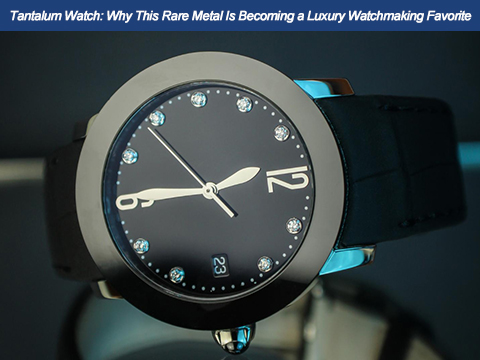
Luxury watch brands are always searching for materials that stand out. One of the most interesting choices today is the tantalum watch. Although tantalum is not as well known as stainless steel or titanium, it has earned a reputation as one of the most exclusive materials in high-end watchmaking.
A tantalum watch is a luxury watch that uses tantalum for the case, bezel, bracelet links, or other visible components. Watchmakers value tantalum because of its unique blue-gray color, excellent corrosion resistance, premium weight, and skin-friendly properties. While the metal itself is rare, the biggest reason for its high price is the difficulty of machining and finishing it.
Collectors appreciate a tantalum watch for its understated luxury and distinctive feel. Meanwhile, manufacturers recognize tantalum as a high-performance material that requires advanced production techniques. In this guide, you'll learn what makes tantalum special, why it costs more than traditional watch materials, and why more luxury brands are choosing it for limited-edition timepieces.
Quick Facts About Tantalum Watches
| Property | Tantalum |
|---|---|
| Color | Natural blue-gray metallic finish |
| Density | 16.6–16.7 g/cm³ |
| Melting Point | About 3,017°C |
| Corrosion Resistance | Excellent |
| Skin Safety | Hypoallergenic and biocompatible |
| Machining Difficulty | Very High |
| Common Watch Uses | Cases, bezels, bracelet links, decorative parts |
Key Takeaway
A tantalum watch combines luxury appearance with exceptional durability. Its distinctive color, heavy feel, and outstanding corrosion resistance make it one of the rarest and most desirable materials used in modern watchmaking.
What Is a Tantalum Watch?
A tantalum watch is a watch that features tantalum in one or more of its components. In most cases, tantalum is used for the watch case, bezel, bracelet links, crown, or decorative details. It is uncommon for an entire watch to be made solely from tantalum because the material is difficult to machine and expensive to finish.
Instead, many luxury brands combine tantalum with titanium, stainless steel, ceramic, gold, or platinum. This mixed-material approach allows designers to highlight tantalum's unique appearance while improving manufacturing efficiency.
What makes a tantalum watch easy to recognize is its natural blue-gray color. Unlike coated finishes, tantalum's color comes from the metal itself. It has a soft metallic luster that looks more understated than polished steel while remaining more distinctive than titanium.
Besides its appearance, tantalum offers impressive durability. It resists corrosion from sweat, moisture, and many chemicals, making it suitable for daily wear. It is also biocompatible, meaning it is gentle on sensitive skin.
Although tantalum has long been used in aerospace, medical, and electronics industries, its use in watchmaking remains limited. This exclusivity has helped make the tantalum watch a symbol of innovation, craftsmanship, and luxury.
Why Is Tantalum an Excellent Watch Material?
A tantalum watch stands out because the metal combines beauty with performance. It offers a unique appearance, excellent durability, and long-lasting comfort. These qualities make tantalum an attractive choice for luxury watchmakers looking to create something different from traditional stainless steel or titanium models.
Unique Blue-Gray Appearance
One of the first things people notice about a tantalum watch is its distinctive color. Tantalum naturally displays a rich blue-gray tone that gives watches a refined and modern look. Unlike coated metals, this finish is part of the material itself, so it remains attractive over time.
The subtle color also pairs well with ceramic, gold, titanium, and platinum. As a result, designers can create watches that feel elegant without being overly flashy.
Premium Weight and Wrist Feel
Tantalum is much denser than stainless steel and titanium. Its density is close to that of platinum, giving every tantalum watch a substantial and luxurious feel on the wrist.
Many collectors enjoy this extra weight because it creates a sense of quality and craftsmanship. While some people prefer lightweight titanium watches, others appreciate the solid presence that tantalum provides.
Outstanding Corrosion Resistance
Corrosion resistance is another reason why luxury brands choose tantalum. The metal performs exceptionally well when exposed to sweat, seawater, humidity, and many chemicals. It also forms a stable protective oxide layer that helps preserve its surface over many years.
This means a tantalum watch can maintain its appearance even after long-term daily wear. Owners spend less time worrying about corrosion and more time enjoying their timepiece.
Hypoallergenic and Comfortable
Comfort is just as important as durability. Fortunately, tantalum is highly biocompatible and hypoallergenic. It is widely used in medical implants because it is well accepted by the human body.
For watch owners with sensitive skin, a tantalum watch offers an excellent alternative to materials that may cause irritation. Combined with its smooth finish and premium weight, tantalum provides both comfort and long-lasting performance.
Tantalum vs Titanium vs Stainless Steel: Which Is Better for Watches?

Each watch material offers different advantages. The best choice depends on your personal preferences, lifestyle, and budget.
| Feature | Tantalum | Titanium | Stainless Steel |
|---|---|---|---|
| Weight | Very heavy | Very light | Medium |
| Corrosion Resistance | Excellent | Excellent | Very good |
| Appearance | Blue-gray | Silver-gray | Bright silver |
| Luxury Feel | Premium | Sporty | Classic |
| Machining Difficulty | Very high | Moderate | Low |
If you want a watch with a distinctive appearance and a solid, premium feel, a tantalum watch is an excellent choice. The metal's rarity and unique color help it stand out in the luxury market.
Titanium is better suited for people who value lightweight comfort, especially during sports or outdoor activities. Stainless steel remains the most common option because it balances durability, appearance, and affordability.
Overall, tantalum offers greater exclusivity than titanium and stronger corrosion resistance than most stainless steel alloys. However, it has challenging manufacturing process. This means it is usually reserved for premium and limited-production watches.
Why Are Tantalum Watches So Expensive?
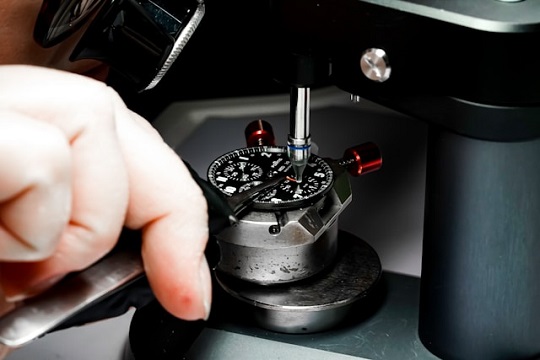
A tantalum watch carries a premium price. This is mainly because tantalum is extremely difficult to manufacture. Although the raw material is valuable, the largest costs come from machining, finishing, quality control, and limited production volumes.
Difficult Machining
Tantalum is well known for being one of the most challenging metals to machine. During cutting, it generates significant heat and places heavy stress on cutting tools. Manufacturers must use slower machining speeds, specialized equipment, and carefully controlled production processes.
Tool wear is much higher than when machining stainless steel, increasing both production time and manufacturing costs.
Complex Surface Finishing
Creating the smooth finish expected on a luxury watch is another challenge. Tantalum requires careful polishing and brushing to achieve a consistent appearance. At the same time, it must preserve its distinctive blue-gray color.
Even small imperfections can affect the final look, so every component must pass strict quality inspections before assembly.
Limited Production
Unlike stainless steel or titanium watches, a tantalum watch is usually produced in much smaller quantities. Only a limited number of manufacturers have the experience and equipment needed to process tantalum efficiently.
Lower production volumes mean higher costs per watch, making tantalum models relatively rare in the market.
Luxury Brand Positioning
Many brands use tantalum only for special collections or limited editions. The material's rarity, unique appearance, and manufacturing complexity naturally fit the luxury segment.
For collectors, owning a tantalum watch is about more than telling time. It represents advanced craftsmanship, exclusive materials, and exceptional attention to detail. These qualities continue to make tantalum one of the most sought-after materials in modern luxury watchmaking.
Technical Properties of Tantalum Watch Material
The outstanding performance of a tantalum watch comes from the metal's unique physical and chemical properties. Tantalum is classified as a refractory metal. This means it can withstand extremely high temperatures while maintaining excellent stability. Although these properties are especially valuable in aerospace, electronics, and medical industries, they also make tantalum an exceptional choice for luxury watchmaking.
The table below summarizes the key properties of tantalum.
| Property | Value | Why It Matters for Watches |
|---|---|---|
| Element Symbol | Ta | Rare refractory metal |
| Density | 16.6–16.7 g/cm³ | Creates a premium, solid wrist feel |
| Melting Point | About 3,017°C | Demonstrates exceptional material stability |
| Corrosion Resistance | Excellent | Resists sweat, seawater, and daily wear |
| Biocompatibility | Excellent | Comfortable for sensitive skin |
| Natural Color | Blue-gray | Gives every tantalum watch a distinctive appearance |
| Machining Difficulty | Very High | Contributes to higher manufacturing costs |
Each property adds value to a tantalum watch. Its high density gives it a substantial feel that many collectors enjoy. The natural blue-gray finish creates a refined appearance without coatings or plating. Excellent corrosion resistance helps preserve the case over many years of wear, while its skin-friendly nature makes it comfortable for everyday use.
These technical advantages explain why tantalum remains one of the most respected materials in luxury watchmaking despite its manufacturing challenges.
Why Tantalum Remains a Niche Luxury Watch Material
Although interest in the tantalum watch continues to grow, it remains a niche product within the luxury watch industry.
The main reason is manufacturing difficulty. Tantalum requires specialized machining equipment, experienced technicians, and careful finishing techniques. These requirements increase production costs and limit the number of companies capable of working with the material.
At the same time, many luxury brands intentionally produce tantalum watches in limited quantities to enhance exclusivity. Collectors are often attracted to unusual materials that few people own, and tantalum fits this demand perfectly.
As watchmakers continue exploring innovative materials, the tantalum watch is likely to remain a symbol of craftsmanship, rarity, and understated luxury rather than becoming a mainstream choice.
Frequently Asked Questions
What is a tantalum watch?
A tantalum watch is a watch that uses tantalum for components such as the case, bezel, bracelet links, or crown. The metal is valued for its blue-gray color, premium weight, corrosion resistance, and hypoallergenic properties, making it popular in high-end luxury watches.
Why are tantalum watches so expensive?
A tantalum watch costs more because tantalum is extremely difficult to machine and finish. Specialized equipment, slower production speeds, high tool wear, and limited manufacturing expertise all increase production costs beyond the value of the raw metal itself.
Is tantalum better than titanium for watches?
It depends on your priorities. A tantalum watch offers a heavier, more luxurious feel and a distinctive blue-gray appearance. Titanium is much lighter and better suited for sports or outdoor use. Both materials provide excellent corrosion resistance and durability.
Does tantalum scratch easily?
Tantalum has good wear resistance for everyday use, but like most luxury watch materials, it can still develop surface scratches over time. Many light marks can be reduced through professional refinishing, helping restore the watch's original appearance.
Is tantalum safe for sensitive skin?
Yes. Tantalum is biocompatible and hypoallergenic, making it an excellent choice for people with sensitive skin. It has also been widely used in medical applications because of its compatibility with the human body.
Why don't more watch brands use tantalum?
The biggest challenge is manufacturing. Tantalum is much harder to machine and polish than stainless steel or titanium, requiring specialized skills and equipment. As a result, only a limited number of luxury brands produce tantalum watch models.
Conclusion
A tantalum watch offers a rare combination of luxury, durability, and engineering excellence. Its distinctive blue-gray color, premium weight, excellent corrosion resistance, and skin-friendly properties make it one of the most unique materials available in modern watchmaking. Although its difficult machining process increases manufacturing costs, that same complexity contributes to its exclusivity and collector appeal.
As more luxury brands experiment with advanced materials, tantalum is expected to remain an important choice for limited-edition and high-end timepieces. Behind every exceptional tantalum watch is carefully selected raw material that meets demanding quality standards.
For manufacturers and precision component producers seeking high-purity tantalum materials, SIZEN LIMITED supplies premium tantalum products in a variety of forms, including sheets, plates, rods, bars, wires, and customized solutions to support advanced manufacturing applications worldwide. No matter what your requirements are, you can consult our tantalum product experts to find the best solution.
Recent News
- Niobium vs Titanium: A Practical Material Selection Guide
- ASTM B708 Tantalum: Grades, Requirements & Buying Guide
- Niobium Ring Explained: Benefits, Applications and Sourcing Guide
- Tantalum Atomic Mass: What It Is and Why It Matters for Industrial Applications
- Niobium Density: How It Affects Material Performance and Design
- Tantalum Watch: Why This Rare Metal Is Becoming a Luxury Watchmaking Favorite
- Niobium Melting Point Explained: Properties, Comparisons, and Industrial Uses
- Tantalum Melting Point: Why 3,017°C Makes It One of the Most Valuable Refractory Metals
- Tantalum Density Explained: Why This Heavy Metal Matters
- Tantalum Hafnium Carbide (Ta₄HfC₅): The Ultra-High-Temperature Material Behind Advanced Engineering