
Tantalum Hafnium Carbide (Ta₄HfC₅): The Ultra-High-Temperature Material Behind Advanced Engineering
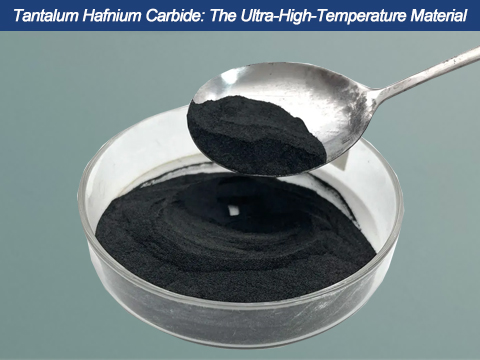
Quick Facts About Tantalum Hafnium Carbide
| Property | Value |
|---|---|
| Chemical formula | Ta₄HfC₅ |
| Material type | Refractory carbide |
| Main advantages | Extreme heat resistance, hardness, wear resistance |
| Reported melting point | Above 4,000°C |
| Common forms | Powder, composites, custom components |
| Major industries | Aerospace, coatings, advanced ceramics |
| Related materials | Tantalum carbide (TaC), hafnium carbide (HfC) |
Key takeaway: Tantalum hafnium carbide (Ta₄HfC₅) is one of the most heat-resistant materials known. It boasts exceptional thermal stability and hardness. Because of these unique traits, scientists widely study it for aerospace systems. It is also used in ultra-high-temperature ceramics and advanced coatings.
Modern engineering often pushes materials to their limits. Components used in aerospace, defense, and high-temperature manufacturing must survive extreme heat and severe wear. Conventional metals and ceramics may lose strength or fail under these conditions. As a result, engineers are constantly searching for materials with better performance.
Among these advanced materials, tantalum hafnium carbide has attracted significant attention. This refractory carbide is known by its chemical formula Ta₄HfC₅. It successfully combines the best properties of tantalum carbide and hafnium carbide. As a result, the material delivers outstanding resistance to heat. It also provides excellent protection against mechanical damage.
Today, scientists are actively investigating tantalum hafnium carbide. They are testing it for a wide variety of advanced applications. These uses range from high-tech aerospace components to heavy-duty, wear-resistant coatings. Its unique characteristics make it one of the most promising ultra-high-temperature materials available.
What Is Tantalum Hafnium Carbide?
What is tantalum hafnium carbide?
Tantalum hafnium carbide is an ultra-high-temperature ceramic compound. It's made from tantalum, hafnium, and carbon. It is commonly represented by the formula Ta₄HfC₅. This material is highly valued for its extraordinary heat resistance. It also features high hardness and excellent stability. Because of these combined traits, it is perfectly suited for extreme operating environments.
Tantalum hafnium carbide belongs to a family of refractory carbides. These advanced materials excel under intense heat. They easily maintain their properties at extreme temperatures. By contrast, those same temperatures would cause many traditional metals to fail. They would quickly melt or lose their structural strength.
Ta₄HfC₅ can be viewed as a combination of tantalum carbide (TaC) and hafnium carbide (HfC). Both base carbides already possess exceptional thermal properties. When combined in the proper ratio, they create a compound with even better performance.
Chemical Composition of Ta₄HfC₅
The structure of tantalum hafnium carbide contains tantalum atoms, hafnium atoms, and carbon atoms. These atoms are arranged in a highly stable crystal lattice. This structure creates a highly durable material. It allows it to withstand extreme temperatures. It also ensures it survives in harsh environments.
Because Ta₄HfC₅ is derived from tantalum carbide and hafnium carbide, it shares many of their strengths, including:
- High hardness
- Excellent thermal stability
- Good chemical resistance
- Strong mechanical properties
These impressive features give the material a major advantage. They make tantalum hafnium carbide one of the most advanced materials available today. Specifically, it stands out as a leader in the field of ultra-high-temperature ceramics.
Why Researchers and Industry Are Interested in Ta₄HfC₅
Many industries require specialized materials. These substances must survive conditions involving intense heat and mechanical stress. For example, components in rocket engines face these exact challenges. Thermal protection systems and advanced furnaces also operate under similar extremes. In fact, they are exposed to temperatures that far exceed the capabilities of conventional alloys.
Tantalum hafnium carbide offers a solution to these challenges. This material maintains its strength and stability under severe conditions. Because of this rare ability, it has become incredibly important. Today, it is a vital resource for both scientific research and industrial applications.
Properties and Advantages of Tantalum Hafnium Carbide
Why is tantalum hafnium carbide important?
Tantalum hafnium carbide is important. It combines exceptional heat resistance, outstanding hardness, and excellent thermal stability. These characteristics allow components to perform reliably in environments where ordinary materials may fail.
Exceptional Heat Resistance
One of the most remarkable features of tantalum hafnium carbide is its extremely high melting point. Various studies have reported melting temperatures above 4,000°C, making it one of the highest-melting materials known.
This exceptional heat resistance makes tantalum hafnium carbide attractive for applications involving:
- Rocket propulsion systems
- Hypersonic vehicles
- Thermal protection components
- High-temperature furnaces
In these environments, heat resistance directly affects reliability and service life.
Outstanding Hardness and Wear Resistance
Tantalum hafnium carbide also possesses high hardness. Hard materials are essential for minimizing surface wear and maintaining dimensional stability.
Benefits of high hardness include:
- Reduced component wear
- Longer service life
- Lower maintenance costs
- Improved reliability
These advantages are particularly important for coatings and tooling applications.
Excellent Thermal Stability
Another advantage of tantalum hafnium carbide is its ability to maintain structural integrity during temperature changes. Thermal stability helps prevent cracking, deformation, and material degradation.
Many industries experience repeated heating and cooling cycles. For these operations, this specific characteristic improves component performance. Ultimately, it reduces the overall risk of equipment failure.
Mechanical Strength at High Temperatures
Many materials weaken as temperatures increase. However, tantalum hafnium carbide can maintain mechanical strength under extreme conditions.
This characteristic makes it suitable for applications that require both thermal resistance and structural support.
Benefits for Industrial Users
Industrial users value tantalum hafnium carbide because it offers:
- Longer component life
- Reduced downtime
- Lower maintenance costs
- Improved reliability
- Excellent performance in severe environments
- Better resistance to wear and thermal damage
Key Properties of Tantalum Hafnium Carbide
| Property | Performance |
|---|---|
| Melting point | Above 4,000°C |
| Hardness | Extremely high |
| Thermal stability | Excellent |
| Wear resistance | Excellent |
| High-temperature strength | Outstanding |
| Density | High |
| Chemical stability | Very good |
Applications of Tantalum Hafnium Carbide Across Industries
What is tantalum hafnium carbide used for?
Tantalum hafnium carbide has several key uses. It is mainly used in aerospace systems and ultra-high-temperature ceramics. It is also an ideal choice for wear-resistant coatings. Additionally, it plays a vital role in energy applications and advanced materials research. Its ability to withstand extreme temperatures makes it valuable for demanding environments.
Aerospace and Hypersonic Systems

Aerospace components often face temperatures that exceed the limits of ordinary materials. Tantalum hafnium carbide helps solve this problem.
Potential applications include:
- Thermal protection systems
- Rocket engine components
- Hypersonic vehicle structures
- Leading edges exposed to intense heat
Modern aerospace systems face extreme environments. They need materials with outstanding heat resistance. Consequently, tantalum hafnium carbide is now a material of great interest. It is being explored for next-generation technologies.
High-Temperature Structural Ceramics

Ultra-high-temperature ceramics are designed to operate in severe conditions. Tantalum hafnium carbide is often studied for these advanced ceramic systems.
Possible applications include:
- Furnace components
- Heat shields
- High-temperature reactors
- Specialized industrial equipment
Its excellent thermal stability improves component durability and operational reliability.
Protective Coatings and Wear-Resistant Layers
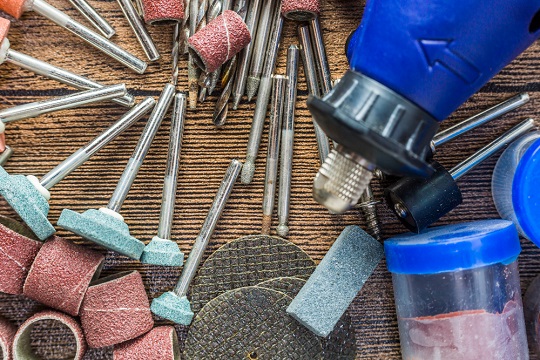
Wear and friction can shorten equipment life. Therefore, many engineers use hard materials to protect surfaces.
Tantalum hafnium carbide may be used in:
- Protective coatings
- Cutting tools
- Surface engineering systems
- High-performance wear layers
These applications help reduce maintenance requirements and improve efficiency.
Defense and Energy Applications

Defense and energy systems frequently operate under harsh conditions. Components must tolerate heat, pressure, and mechanical stress.
Tantalum hafnium carbide offers exceptional properties. Because of these traits, researchers are investigating it for use in advanced systems. These specialized applications demand extreme reliability.
Research and Next-Generation Materials
Scientists continue to explore new applications for tantalum hafnium carbide. Areas of interest include:
- Ultra-high-temperature ceramics
- Advanced composite materials
- Future aerospace technologies
- Extreme-environment systems
As technology advances, the importance of tantalum hafnium carbide is expected to increase.
Tantalum Hafnium Carbide vs. Tantalum Carbide vs. Hafnium Carbide
Engineers often compare tantalum hafnium carbide with its parent materials. They do this before selecting the best option for a project. Each material offers distinct advantages. Understanding these key differences helps buyers make truly informed decisions.
| Material | Main Strength | Typical Applications |
|---|---|---|
| Ta₄HfC₅ | Extreme heat resistance | Aerospace, ultra-high-temperature ceramics |
| TaC | High hardness and stability | Tool coatings, cutting tools |
| HfC | Very high melting point | Rocket nozzles, heat shields |
| Tungsten carbide | Excellent wear resistance | Cutting tools and industrial parts |
| Silicon carbide | Lightweight and oxidation resistance | Ceramics and semiconductors |
When Is Tantalum Hafnium Carbide the Better Choice?
Tantalum hafnium carbide is generally preferred when applications involve:
- Extremely high temperatures
- Severe operating conditions
- Maximum thermal stability
- Long service life requirements
Ordinary ceramics have clear performance limits. Because of this, aerospace systems require a different class of material. The same is true for thermal protection applications. They both demand advanced properties that standard materials simply cannot provide.
When Are TaC or HfC Sufficient?
In some applications, tantalum carbide or hafnium carbide may provide adequate performance at lower cost.
These materials are often selected for:
- Tool coatings
- Standard high-temperature components
- Wear-resistant parts
The final choice depends on the balance between performance requirements and economic considerations.
Market Trends and Future Outlook
Demand for advanced materials continues to grow. Aerospace, defense, and energy are demanding industries. Today, they are actively driving the development of new materials. These specialized substances are necessary for survival. They must withstand increasingly severe operating conditions.
As a result, interest in tantalum hafnium carbide has increased significantly.
Growing Demand for Ultra-High-Temperature Materials
Several factors are contributing to market growth:
- Development of hypersonic technologies
- Increased aerospace activity
- Advances in additive manufacturing
- Rising demand for high-performance ceramics
These trends are creating opportunities for refractory carbides and related materials.
Market Size and Growth Expectations
Different market reports provide varying estimates. However, many studies indicate continued expansion.
| Market Indicator | Estimate |
|---|---|
| Estimated tantalum hafnium carbide market size | About USD 250 million |
| Expected growth rate | Around 5% CAGR |
| Hafnium carbide market size in 2025 | USD 217 million |
| Projected hafnium carbide market size in 2035 | USD 490 million |
Aerospace and advanced manufacturing are seeing growing investments. Because of this, the long-term demand for specialized materials is expected to rise. Tantalum hafnium carbide is a primary example. Other ultra-high-temperature materials will also benefit.
Common Buyer Concerns and Sourcing Considerations
Purchasing advanced materials involves more than simply selecting a product. Engineers and procurement teams must evaluate several factors to ensure consistent performance.
Material Purity
Purity has a direct impact on material properties. Impurities may affect mechanical strength, thermal stability, and overall reliability.
High-purity tantalum hafnium carbide is often preferred for critical applications.
Particle Size and Sintering Behavior
For powder materials, particle size is especially important.
Particle size can influence:
- Sintering performance
- Density
- Coating quality
- Microstructure
Selecting the proper particle size helps achieve desired results.
Batch Consistency
Consistent properties are essential for repeat production.
Manufacturers and research institutions typically require:
- Stable chemical composition
- Reliable quality
- Uniform particle distribution
- Consistent performance
Batch-to-batch consistency helps reduce production risks.
Lead Time and Supply Stability
Reliable supply chains are becoming increasingly important. Long lead times may disrupt manufacturing schedules and increase costs.
Therefore, buyers should consider:
- Supplier capabilities
- Inventory availability
- Production capacity
- Delivery schedules
Custom Dimensions and Specifications
Many applications require customized solutions rather than standard products.
Typical requirements include:
- Special particle sizes
- Customized dimensions
- Specific purity levels
- Tailored material characteristics
Buyer Checklist
| Factor | Why It Matters |
|---|---|
| Purity | Influences performance consistency |
| Particle size | Affects coating and sintering behavior |
| Batch consistency | Supports repeat production |
| Density | Impacts mechanical properties |
| Custom dimensions | Ensures OEM compatibility |
| Lead time | Supports production schedules |
| Technical support | Helps optimize material selection |
What should buyers consider before sourcing tantalum hafnium carbide?
Buyers should carefully evaluate several factors before purchasing tantalum hafnium carbide. Purity and particle size are absolutely critical. Batch consistency and supply stability are equally important. Finally, remember to review your custom specifications. These factors directly influence material performance, manufacturing efficiency, and long-term reliability.
Frequently Asked Questions About Tantalum Hafnium Carbide
What is the melting point of tantalum hafnium carbide?
Tantalum hafnium carbide has one of the highest reported melting points among known materials (above 4,000°C). This makes it suitable for extreme heat environments and ultra-high-temperature applications.
Why is tantalum hafnium carbide considered special?
Tantalum hafnium carbide combines exceptional heat resistance, hardness, wear resistance, and thermal stability. These advanced properties allow the material to maintain high performance. It easily handles extreme conditions. In fact, those same severe conditions would quickly damage many conventional metals and ceramics.
What industries use tantalum hafnium carbide?
There are many industries interested in tantalum hafnium carbide include. For example, aerospace, defense, energy, advanced ceramics, coatings, and scientific research. Its extreme-temperature capabilities make it valuable for demanding applications.
How does tantalum hafnium carbide compare with TaC and HfC?
Tantalum hafnium carbide combines properties from tantalum carbide and hafnium carbide. It offers exceptional thermal performance. It is often considered one of the most heat-resistant materials known.
In what forms is tantalum hafnium carbide available?
Tantalum hafnium carbide is commonly available as powders and composite materials. Depending on the application, customized forms and specifications may also be developed.
What factors affect the performance of tantalum hafnium carbide?
Performance depends on purity, particle size, density, processing methods, and operating conditions. Proper material selection is important for achieving the desired results.
Conclusion
Tantalum hafnium carbide is one of the most remarkable ultra-high-temperature materials available today. It has a combination of extreme heat resistance, hardness, wear resistance, and thermal stability. These make it valuable for aerospace systems, advanced ceramics, coatings, and next-generation technologies.
The demand for high-performance materials continues to grow rapidly. Because of this trend, tantalum hafnium carbide is expected to play a major role. Moving forward, it will become increasingly important in advanced engineering applications.
SIZEN LIMITED delivers high-quality tantalum products and custom material solutions. We proudly serve both research institutions and industrial manufacturers. Do you need small quantities for development projects? Or do you require a large-scale supply for production? Either way, our team provides reliable support and expert technical assistance. Feel free to contact SIZEN LIMITED to discuss your material requirements and request a quotation.
Recent News
- Niobium vs Titanium: A Practical Material Selection Guide
- ASTM B708 Tantalum: Grades, Requirements & Buying Guide
- Niobium Ring Explained: Benefits, Applications and Sourcing Guide
- Tantalum Atomic Mass: What It Is and Why It Matters for Industrial Applications
- Niobium Density: How It Affects Material Performance and Design
- Tantalum Watch: Why This Rare Metal Is Becoming a Luxury Watchmaking Favorite
- Niobium Melting Point Explained: Properties, Comparisons, and Industrial Uses
- Tantalum Melting Point: Why 3,017°C Makes It One of the Most Valuable Refractory Metals
- Tantalum Density Explained: Why This Heavy Metal Matters
- Tantalum Hafnium Carbide (Ta₄HfC₅): The Ultra-High-Temperature Material Behind Advanced Engineering