
Recycling Tantalum: Why This Critical Metal Is Too Valuable to Waste
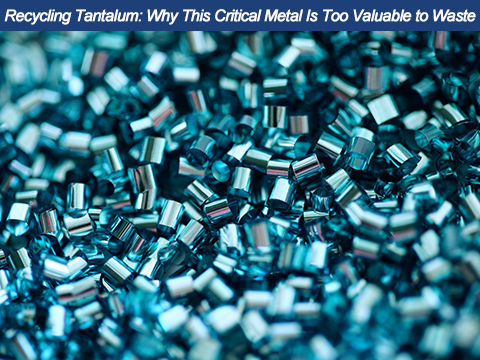
Key Facts About Recycling Tantalum
| Metric | Value |
|---|---|
| Global tantalum recycling market (2025) | $1.8 Billion |
| Global tantalum recycling market (2034 forecast) | $3.4 Billion |
| Industry recovery rate | 25%–30% of annual consumption |
| Global e-waste recycled | Approximately 20% |
| Average tantalum content in WEEE | 1.72 × 10⁻² wt.% |
| Major end-use sector | Electronics |
Quick Answer
Tantalum recycling recovers valuable metal from scrap materials, manufacturing residues, and end-of-life products. This material is then refined so it can be reused in new industrial applications. The process offers major advantages for the supply chain. It actively reduces waste and improves overall supply security. Furthermore, it lowers dependence on mining while recovering financial value from high-cost materials.
Tantalum is a valuable and strategically important industrial metal. It offers exceptional corrosion resistance and a high melting point. It also boasts excellent electrical properties. These features make tantalum absolutely essential. It's used daily in electronics, aerospace, and medical devices. It also drives semiconductor manufacturing and chemical processing equipment.
Global demand for critical materials continues to rise. Because of this, recycling tantalum has become increasingly important. Manufacturers are actively looking for ways to reduce raw material costs. They also want to improve supply chain resilience and meet sustainability goals. At the same time, manufacturing scrap and electronic waste volumes are growing. This trend creates valuable opportunities to recover tantalum that would otherwise be lost.
In this guide, we will explore how recycling tantalum works, why it matters, where recyclable tantalum comes from, and how recovered tantalum supports modern manufacturing.
What Is Tantalum Recycling?
Simple Definition
Tantalum recycling is a multi-step process. It involves recovering, refining, and reusing tantalum from scrap materials and production residues. It also extracts the metal from end-of-life products. Instead of throwing these materials away as waste, facilities process them. They transform them into valuable secondary raw materials that industries can easily use again.
Tantalum recycling aims to maximize resource efficiency. It also reduces reliance on primary mining operations. Tantalum is a high-value metal with specialized uses. Because of this, large amounts are not required for profitability. Even small quantities of recovered material have significant economic value.
Today, recycling tantalum plays an increasingly important role in supporting global supply chains. Industries want more sustainable manufacturing practices. Because of this, recovered tantalum is growing in importance. It now serves as a key complement to newly mined material.
Types of Tantalum Recycling
Recycling tantalum generally falls into two categories: pre-consumer recycling and post-consumer recycling.
| Source Type | Examples |
|---|---|
| Pre-consumer recycling | Machining chips, manufacturing scrap, sputtering target remnants, offcuts |
| Post-consumer recycling | Electronic components, capacitors, medical devices, industrial equipment |
Pre-consumer recycling occurs during manufacturing. Tantalum sheets, rods, and sputtering targets are machined into finished products. This leaves behind extra material. This leftover metal is collected and recycled. This type of scrap is often cleaner and easier to process.
Post-consumer recycling recovers tantalum from old products. These items have reached the end of their service life. This type of recycling is highly challenging. The materials contain multiple metals and plastics. They also feature various other mixed components.
Both forms of recycling tantalum contribute to a more sustainable supply chain. Together, they help manufacturers recover valuable material while reducing environmental impact.
Why Is Recycling Tantalum Important?
Tantalum Is a Critical Material
Tantalum is widely recognized as a critical material. This status is due to its unique combination of properties. It is also highly valued for its importance in advanced technologies. Few metals can match its overall capabilities. It resists corrosion, withstands high temperatures, and performs reliably in demanding environments.
Many industries depend on tantalum for mission-critical applications. This dependence creates strong demand and highlights the importance of maintaining reliable supplies.
Unlike common industrial metals, tantalum production is highly centralized. It's concentrated in a relatively small number of regions. This geographical concentration can create real supply chain vulnerabilities. It can also lead to sudden price fluctuations. As a result, recycling tantalum has become an increasingly attractive strategy. It successfully reduces dependence on primary supply sources.
Recovered tantalum helps diversify supply chains. It also provides manufacturers with an additional source of material. This is especially important for industries that require consistent access to high-performance metals.
Strong Demand from Electronics
Electronics represent the largest market for tantalum consumption worldwide. Industry estimates suggest that a massive portion of global tantalum production goes to tech. More than half of it is used in electronic applications. Furthermore, some reports place that figure even higher. They estimate it is closer to two-thirds.
Tantalum capacitors are among the most common applications. These components are found in:
- Smartphones
- Computers
- Telecommunications equipment
- Automotive electronics
- Medical electronics
- Industrial control systems
As global electronics production continues to expand, demand for tantalum remains strong. This rising demand makes recycling tantalum increasingly valuable. It provides an excellent solution as manufacturers actively seek reliable sources of material.
Supporting Sustainability Goals
Environmental responsibility has become a major focus for manufacturers worldwide. Recycling tantalum helps companies reduce waste, conserve resources, and support circular economy initiatives.
Companies do not need to rely entirely on newly mined material. Instead, they can actively incorporate recovered tantalum into their supply chains. This strategic approach helps maximize the value of existing resources. It also reduces the amount of waste sent to landfills.
Many organizations are pursuing ESG goals and sustainability targets. For these companies, recycling tantalum offers a practical solution. It allows them to improve resource efficiency. At the same time, they can maintain full access to high-performance materials.
Common Sources of Recyclable Tantalum
Understanding where recyclable tantalum comes from helps manufacturers identify valuable recovery opportunities. Tantalum scrap is generated in most industrial environments. This typically happens during the production or processing phases. It also occurs during the disposal of end-of-life products. These sources are often more valuable than they first appear.
Manufacturing Scrap
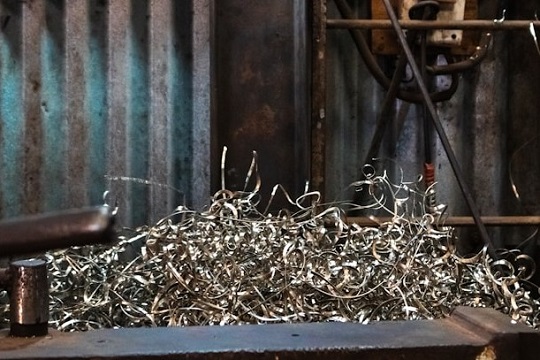
Manufacturing scrap is one of the most important sources in recycling tantalum. It's generated during cutting, machining, shaping, and fabrication processes.
This includes chips, offcuts, drilling residues, and other leftover materials. This scrap comes directly from controlled production. Therefore, It's often relatively clean and suitable for recycling.
Sputtering Targets
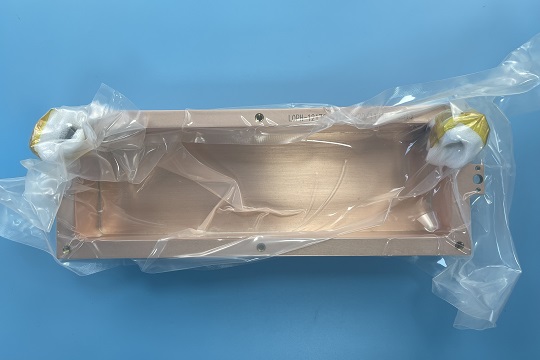
Sputtering targets provide another key source of recyclable tantalum. They are primarily used in semiconductor and coating industries. During operation, these targets are gradually consumed but never fully exhausted.
Remaining target materials, backing plates, and process remnants can often be recovered. This makes sputtering target recycling an important part of high-tech material recovery.
Capacitor Scrap
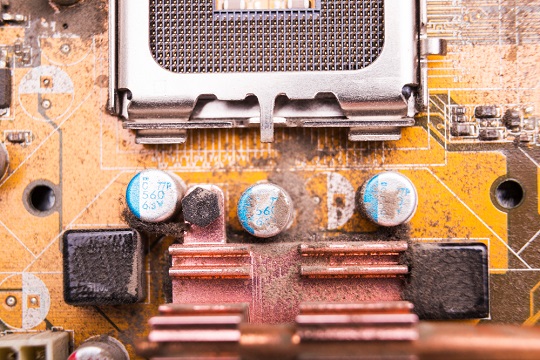
Tantalum capacitors are widely used in electronics. This makes them a significant source of secondary tantalum. Scrap is generated both during manufacturing and when electronic devices reach end-of-life.
The material itself is small in overall volume. However, a massive number of these devices are produced globally. This huge scale makes it an important recycling stream.
Powders and Sludges
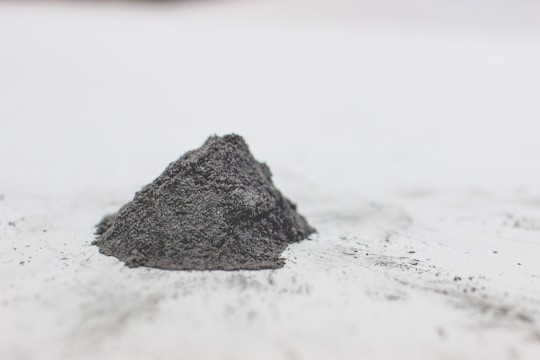
Industrial processes often produce tantalum-containing powders and sludges. These materials are usually generated during grinding, polishing and surface treatment. These materials may seem low in quality but can still contain recoverable metal.
With proper treatment, they can be processed into usable forms. This contributes to overall recycling efficiency.
Alloy Scrap
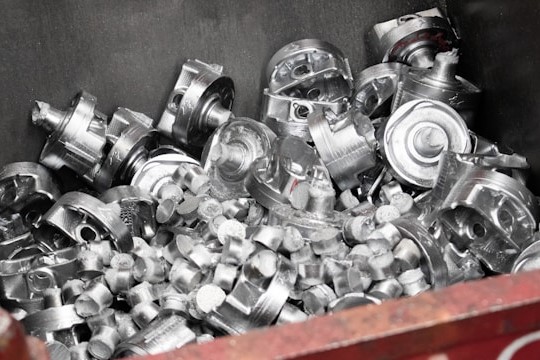
Tantalum is usually used in alloys combined with metals like tungsten and niobium. These materials are common in aerospace, chemical, and high-performance industrial applications.
Recycling alloy scrap requires more advanced separation techniques. However, it remains an important source of recoverable tantalum.
How Does the Tantalum Recycling Process Work?
The recycling tantalum process can vary. It depends on the source material, contamination level, and desired final product. However, most recycling operations follow a similar sequence of steps.
Quick Answer
Tantalum recycling follows a strict process. It starts with collection and sorting. Then, a material analysis is conducted. Next comes mechanical processing and refining. Finally, the recycled metal is remanufactured into new products.
Some tantalum scrap has a simple composition and high purity. A great example of this is machining chips. For these materials, processors use electron beam melting or vacuum arc melting. This process requires high temperatures in a deep vacuum. The environment removes volatile impurities and eliminates gaseous elements. In the end, it yields high-purity tantalum ingots. This method is direct and efficient, offering a high metal recovery rate.
Complex electronic waste, such as spent capacitors, contains valuable tantalum. Processing it requires a sophisticated hydrometallurgical approach. First, the components are separated using mechanical crushing and physical sorting.
Next comes the core leaching step. This requires a mixture of hydrofluoric acid and sulfuric acid. The acids convert the tantalum into soluble fluorotantalate complexes. After that, the solution undergoes multi-stage solvent extraction. This step separates the tantalum from other metals. It successfully removes impurities like nickel, iron, and manganese.
Next, the purified solution is treated. This is done by adding potassium salts to crystallize potassium fluorotantalate. It can also be done by neutralizing the solution with ammonia to precipitate tantalum hydroxide.
Following this, calcination is used to produce high-purity tantalum pentoxide. In the final step, metallic tantalum powder is created from the pentoxide. This is completed through sodium thermal reduction or molten salt electrolysis.
Recycling Tantalum from E-Waste: Why Is It So Difficult?
Electronic waste is often called e-waste or WEEE (Waste Electrical and Electronic Equipment). Today, it stands as one of the fastest-growing waste streams in the world. Discarded electronics contain highly valuable materials such as gold, silver, copper, and tantalum. However, recovering the tantalum is particularly challenging. This difficulty exists because it is present in very small amounts. It is also heavily mixed with many other materials.
How Much Tantalum Is Found in E-Waste?
Tantalum is commonly found in smartphones, computers, and telecommunications equipment. It is also used in automotive electronics and medical devices. However, the average tantalum content in WEEE is incredibly low. It is only about 1.72 × 10⁻² wt.%. This means recyclers must process massive volumes of material. Despite these low concentrations, tantalum remains an attractive recovery target. This is due to its high financial value and its vital importance to modern industries.
Why Recovery Is Challenging
Several factors make recycling tantalum from e-waste difficult. Tantalum components are typically quite small. They are usually embedded inside complex, multi-material products. These devices contain various metals, plastics, and ceramics. Sorting tantalum from these mixed streams is highly technical. It requires multiple processing steps and specialized equipment. Additionally, materials are often covered in coatings, adhesives, and solder. This heavy contamination further complicates the refining process.
The Opportunity Hidden in WEEE
Although recovery is challenging, e-waste remains a significant secondary source of tantalum. Global e-waste recycling is currently stuck at about 20%. Upgrading recovery technologies is a critical next step. This will give manufacturers better access to recycled tantalum. It will also reduce industrial material waste. Ultimately, this progress supports broader circular economy goals.
Tantalum Recycling Market Trends and Growth Outlook
Critical materials are becoming more important on a global scale. This shift has increased interest in recycling tantalum across many industries. Today, manufacturers are seeking more sustainable and secure material supplies. As a result, the demand for recovered tantalum continues to rise.
Market Growth and Outlook
Industry estimates value the global tantalum recycling market at $1.8 billion in 2025. Growth expectations remain positive. Projections show the market reaching about $3.4 billion by 2034.
| Year | Market Size |
|---|---|
| 2025 | $1.8 Billion |
| 2034 | $3.4 Billion |
This growth reflects the increasing role of recycling tantalum in supporting industrial supply chains and resource efficiency initiatives.
What Is Driving Market Growth?
Several factors are contributing to the expansion of the tantalum recycling market:
- Growing demand for electronics and tantalum capacitors
- Expansion of semiconductor manufacturing worldwide
- Continued use of tantalum in aerospace and other high-performance industries
- Increasing focus on sustainability, resource conservation, and circular economy goals
As these trends continue, recycling tantalum is expected to become an even more important source of material for manufacturers seeking reliable and sustainable supply options.
Benefits of Recycling Tantalum for Manufacturers
Recycling tantalum is not only an environmental strategy but also a practical business approach. It helps manufacturers improve efficiency and reduce costs. It also strengthen long-term supply stability in a competitive global market.
Improve Supply Security
Tantalum supply is limited and highly dependent on specific mining regions. This creates potential risks for price fluctuation and supply disruption. Manufacturers can access a secondary material source by recycling tantalum. This practice directly helps stabilize industrial supply chains. Such added resilience is critical today. Many advanced industries require consistent access to high-performance metals. These include electronics, aerospace, and medical manufacturing.
Reduce Costs and Recover Value
Tantalum is a high-value material, so production scrap should not be treated as waste. Tantalum recycling programs help manufacturers recover valuable metal. Scrap is collected from machining chips and offcuts. It also comes from used components and process residues. This recovered material is versatile. It can be reused internally or put back into the supply chain. This strategy turns waste streams into clear economic value. It also improves overall material efficiency.
Support Sustainability Goals
Modern manufacturers are under increasing pressure to meet environmental and ESG targets. ecycling tantalum helps reduce landfill waste. It also improves overall resource efficiency and supports circular economy strategies. This practice demonstrates responsible material management. Doing so can enhance corporate sustainability reporting. Ultimately, it strengthens relationships with environmentally conscious customers.
Industries That Use Recycled Tantalum
Recovered tantalum can be used across many of the same industries that rely on primary tantalum. When properly refined, recycled tantalum can support a wide range of demanding applications.
The growing adoption of recycling tantalum demonstrates the industry's confidence in high-quality recovered materials.
| Industry | Typical Applications | Common Scrap Sources |
|---|---|---|
| Electronics | Capacitors, circuits | Capacitor scrap |
| Semiconductor | Sputtering targets | Target remnants |
| Aerospace | High-temperature components | Machining scrap |
| Medical | Implants and surgical devices | Production scrap |
| Chemical Processing | Corrosion-resistant equipment | Fabrication scrap |
| Energy | Specialized industrial systems | Manufacturing residues |
Challenges and Quality Considerations in Recycling Tantalum
Recycling tantalum offers many benefits. However, it also presents technical challenges that must be carefully managed.
Manufacturers and recyclers must ensure recovered material meets the quality requirements of demanding industrial applications.
Contamination Risks
One of the biggest challenges in recycling tantalum is contamination.
Potential contaminants include:
- Iron
- Nickel
- Copper
- Aluminum
- Oxides
- Process chemicals
Even small amounts of impurities can affect material performance in certain applications.
As a result, careful processing and quality control are essential.
Mixed-Alloy Materials
Many scrap streams contain multiple metals.
Separating tantalum from alloy systems and mixed-metal waste requires specialized technologies and expertise.
This complexity can increase processing costs and affect recovery efficiency.
Assay Accuracy
Accurate material analysis is critical.
Before recycling begins, recyclers must understand:
- Tantalum concentration
- Impurity levels
- Material composition
Reliable assay testing helps optimize recovery processes and ensures consistent product quality.
Meeting High-Purity Requirements
Some industries require extremely high-purity tantalum.
Examples include:
- Semiconductor manufacturing
- Aerospace applications
- Medical devices
- Advanced electronics
Producing recycled tantalum is a demanding process. Meeting these strict specifications often requires advanced refining technologies. It also demands rigorous quality control procedures.
These requirements highlight the importance of working with experienced material suppliers and processors.
Recycled vs Virgin Tantalum: What Is the Difference?
Many buyers wonder whether recycled tantalum can perform as effectively as virgin tantalum.
The answer depends largely on the quality of the recovery and refining process.
| Factor | Recycled Tantalum | Virgin Tantalum |
|---|---|---|
| Source | Scrap and recovered materials | Newly mined ore |
| Sustainability | Higher | Lower |
| Resource Efficiency | Higher | Lower |
| Cost Potential | May be lower | Often higher |
| Purity | Depends on refining quality | Typically consistent |
| Applications | Industrial, electronics, aerospace, medical | Industrial, electronics, aerospace, medical |
FAQs About Recycling Tantalum
Can tantalum be recycled?
Yes. Tantalum can be recovered from manufacturing scrap and sputtering targets. It is also found in old capacitors. Additionally, recyclers can extract it from industrial residues and various end-of-life products. After refining, the recovered material can be reused in new industrial applications.
Why is tantalum recovery from e-waste difficult?
Tantalum is often present in very small concentrations within electronic devices. Tantalum must be separated from complex mixtures. These mixtures often include metals, plastics, and ceramics. This difficult task requires advanced recovery technologies.
Is recycling tantalum economically viable?
Yes. Tantalum is a high-value critical metal. Recovering it from scrap can provide economic benefits. This also supports supply security and sustainability goals.
Conclusion
Recycling tantalum is becoming increasingly important. Today, it serves as a vital part of the global critical materials supply chain. Manufacturers can recover tantalum from manufacturing scrap and sputtering targets. They can also recover it from capacitor waste, industrial residues, and electronic products. This recovery process helps companies reduce waste. It also improves resource efficiency and strengthens overall supply security.
Tantalum demand is growing fast in advanced industries. Key sectors include electronics, semiconductors, aerospace, and medical technology. Recycling tantalum provides a practical way to answer this demand. It successfully recovers valuable metal from existing material streams. Furthermore, it aligns perfectly with long-term sustainability objectives.
For companies seeking reliable tantalum materials, SIZEN LIMITED provides high-quality tantalum sheets, rods, tubes, wires, foils, sputtering targets, crucibles, and custom components. With a focus on quality, customization, and dependable supply, SIZEN LIMITED helps industrial customers meet the challenges of today's evolving materials market.
Whether you need standard tantalum products or custom-engineered components, SIZEN LIMITED is ready to support your project with high-purity materials and responsive technical service. Contact our team today to discuss your requirements and receive a tailored quotation for your tantalum needs.
Recent News
- Niobium vs Titanium: A Practical Material Selection Guide
- ASTM B708 Tantalum: Grades, Requirements & Buying Guide
- Niobium Ring Explained: Benefits, Applications and Sourcing Guide
- Tantalum Atomic Mass: What It Is and Why It Matters for Industrial Applications
- Niobium Density: How It Affects Material Performance and Design
- Tantalum Watch: Why This Rare Metal Is Becoming a Luxury Watchmaking Favorite
- Niobium Melting Point Explained: Properties, Comparisons, and Industrial Uses
- Tantalum Melting Point: Why 3,017°C Makes It One of the Most Valuable Refractory Metals
- Tantalum Density Explained: Why This Heavy Metal Matters
- Tantalum Hafnium Carbide (Ta₄HfC₅): The Ultra-High-Temperature Material Behind Advanced Engineering