
Tantalum vs Stainless Steel: Differences, Pros, Cons, and Uses
Quick Answer:
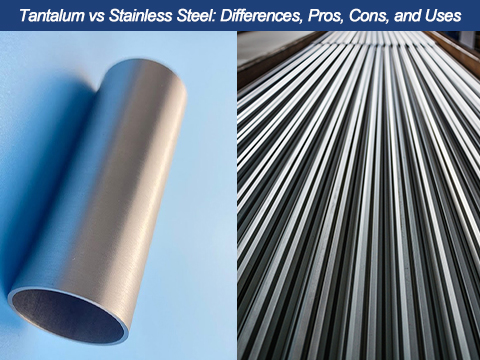
When comparing tantalum vs stainless steel, the right choice depends on your application. Stainless steel is best for cost-effective, general-purpose use. Tantalum is the better option for extreme environments involving strong corrosion, high temperatures, or critical performance requirements where failure is not acceptable.
Tantalum vs Stainless Steel: Quick Comparison Table
Below is a clear and copy-friendly table to help you quickly understand the key differences between tantalum vs stainless steel:
| Property | Tantalum | Stainless Steel |
|---|---|---|
| Corrosion Resistance | Excellent (resists strong acids) | Good (can corrode in harsh chemicals) |
| Melting Point | ~2,996°C (5,463°F) | ~1,400–1,500°C |
| Cost | Very high | Low to moderate |
| Availability | Limited | Widely available |
| Biocompatibility | Excellent | Good (for some uses) |
| Fabrication Difficulty | Difficult | Easy |
| Typical Applications | Chemical processing, aerospace, medical | Construction, food processing, general industry |
Key takeaway:
In the comparison of tantalum vs stainless steel, tantalum offers superior performance in extreme conditions, while stainless steel provides a cost-effective and versatile solution for most applications.
What Is the Difference Between Tantalum and Stainless Steel?
Understanding the core difference between tantalum vs stainless steel is essential before making any material decision. These two materials serve very different purposes, even though both are widely used in industrial applications.
Tantalum is a rare, dense, and highly corrosion-resistant metal. It belongs to a group of materials known as refractory metals, which are designed to withstand very high temperatures and harsh environments. Because of its unique properties, tantalum is often used in specialized industries where reliability is critical.
On the other hand, stainless steel is an alloy mainly made of iron, chromium, and sometimes nickel. It is known for its balance of strength, corrosion resistance, and affordability. Stainless steel is one of the most commonly used materials in the world because it is easy to produce, fabricate, and maintain.
The main difference in the tantalum vs stainless steel comparison lies in their performance levels and intended use. Stainless steel is designed for general-purpose applications where moderate strength and corrosion resistance are sufficient. Tantalum, however, is chosen for extreme environments where stainless steel may fail.
For example, in a chemical plant handling strong acids, stainless steel may corrode over time, leading to leaks and costly downtime. In contrast, tantalum can remain stable and resist damage, making it a better long-term investment in such conditions.
In simple terms, stainless steel is the practical and economical choice, while tantalum is the premium solution for high-performance needs.
Corrosion Resistance: Why Tantalum Outperforms Stainless Steel
One of the most important factors in the tantalum vs stainless steel comparison is corrosion resistance. For many industries, corrosion is not just a minor issue—it can lead to equipment failure, safety risks, and expensive downtime.
Tantalum is known for its outstanding corrosion resistance. It forms a very stable oxide layer on its surface, which protects it from chemical attack. This layer makes tantalum almost immune to many aggressive substances, including strong acids such as hydrochloric acid, sulfuric acid, and nitric acid. Because of this, tantalum is widely used in chemical processing equipment, such as reactors, heat exchangers, and pipelines.
In contrast, stainless steel offers good corrosion resistance under normal conditions. However, it can fail in highly aggressive environments. For example, stainless steel may suffer from pitting corrosion or stress corrosion cracking when exposed to chlorides or strong acids. Over time, this can weaken the material and lead to leaks or structural failure.
When comparing tantalum vs stainless steel, the key question is: how harsh is your operating environment? If your process involves mild conditions, stainless steel is usually sufficient. But if your equipment is exposed to highly corrosive chemicals, tantalum becomes a much safer and more reliable choice.
Choosing the wrong material can lead to frequent maintenance, unexpected shutdowns, and higher long-term costs. That is why many engineers prefer tantalum in critical applications where corrosion resistance is the top priority.
Heat Resistance and Melting Point: Which Performs Better?
Temperature performance is another critical factor when evaluating tantalum vs stainless steel. Different materials behave very differently under high heat, and selecting the wrong one can lead to serious performance issues.
Tantalum has an extremely high melting point of about 2,996°C (5,463°F). This makes it suitable for applications involving extreme heat, such as aerospace components, high-temperature furnaces, and advanced manufacturing processes. Even at elevated temperatures, tantalum maintains its strength and stability.
Stainless steel, while still capable of handling moderately high temperatures, has a much lower melting point, typically between 1,400°C and 1,500°C. It performs well in many industrial environments, but it is not designed for extreme heat conditions. At very high temperatures, stainless steel can lose strength, deform, or oxidize.
In the tantalum vs stainless steel comparison, the choice depends on your operating temperature range.
Choose tantalum if:
- Your application involves extreme heat
- Material stability is critical
- Failure could cause major damage or downtime
Choose stainless steel if:
- Temperatures are within standard industrial ranges
- Cost is a major concern
- Extreme heat resistance is not required
In summary, tantalum clearly outperforms stainless steel in high-temperature environments. However, for most standard applications, stainless steel provides sufficient performance at a much lower cost.
Strength, Durability, and Service Life
When comparing tantalum vs stainless steel, many buyers focus on strength and durability. However, the real question is not just how strong a material is, but how long it can perform reliably under real working conditions.
Stainless steel is known for its good mechanical strength and durability. It can handle a wide range of loads and environmental conditions, which is why it is widely used in construction, machinery, and general manufacturing. It is also resistant to wear and can maintain its structure over time in moderate environments.
Tantalum, on the other hand, is often selected not because it is the strongest material in every situation, but because it offers exceptional durability in extreme conditions. Its resistance to corrosion and high temperatures allows it to maintain performance where other materials would fail.
In the tantalum vs stainless steel comparison, service life is a key consideration. A material with a lower upfront cost may end up being more expensive if it needs frequent replacement. For example, stainless steel components exposed to aggressive chemicals may need regular maintenance or replacement. Tantalum components, while more expensive initially, can last much longer and reduce downtime.
This leads to an important concept: total cost of ownership. Instead of focusing only on the purchase price, buyers should consider maintenance costs, replacement frequency, and operational risks.
In many critical applications, tantalum provides better long-term value, even though its initial cost is higher. Stainless steel remains the best option when conditions are less demanding and cost control is a priority.
Medical Applications: Is Tantalum More Biocompatible?

Biocompatibility is a key factor in medical applications, making it an important part of the tantalum vs stainless steel discussion. When materials are used inside the human body, they must not cause harmful reactions or degrade over time.
Tantalum is highly biocompatible, which means it is well tolerated by the human body. It does not react with bodily fluids and does not cause irritation or rejection. Because of this, tantalum is often used in permanent medical implants, such as bone implants and surgical devices. Its ability to integrate with human tissue makes it especially valuable in advanced medical treatments.
Stainless steel is also used in the medical field, but its role is somewhat different. It is commonly used for surgical instruments, temporary implants, and medical tools. While certain grades of stainless steel are considered safe for short-term use, they are not always the best choice for long-term implantation.
In the tantalum vs stainless steel comparison for medical use, tantalum clearly stands out for critical applications. Its stability and compatibility make it a preferred material for devices that remain in the body for long periods.
However, stainless steel still plays an important role due to its lower cost and ease of manufacturing. It is widely used in situations where long-term biocompatibility is not required.
For medical device manufacturers and engineers, the choice depends on the specific requirements of the application. If long-term safety and performance are essential, tantalum is often the better option.
Aerospace and Energy Applications: When Performance Matters Most
In industries like aerospace and energy, material performance is critical. The comparison of tantalum vs stainless steel becomes especially important in these high-demand environments.
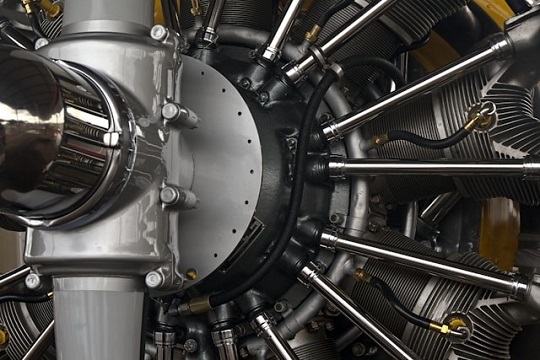
Tantalum is often used in applications where extreme conditions are common. In aerospace, it can be found in components exposed to high temperatures and stress, such as engine parts and heat shields. In the energy sector, tantalum is used in equipment that must handle corrosive substances and high heat, such as reactors and advanced energy systems.
Engineers choose tantalum in these industries because of its reliability. When failure is not an option, materials must perform consistently under the most demanding conditions.
Stainless steel, on the other hand, is widely used across aerospace and energy applications where conditions are less extreme. It is commonly used for structural components, pipelines, and general equipment. Its strength, availability, and cost-effectiveness make it a practical choice for many applications.
In the tantalum vs stainless steel comparison, the decision often comes down to performance requirements. If the application involves extreme heat, corrosion, or stress, tantalum is the preferred material. If the conditions are more moderate, stainless steel is usually sufficient.
This balance allows companies to optimize both performance and cost, using each material where it is most effective.
Manufacturing and Chemical Processing: Where Each Material Fits
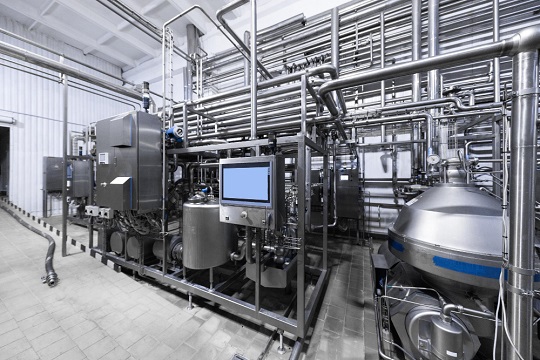
Most manufacturing operations rely heavily on stainless steel, making it the default choice in the tantalum vs stainless steel comparison. It is used in equipment, structures, and systems across a wide range of industries.
Stainless steel is easy to fabricate, widely available, and relatively affordable. It is suitable for many applications, including food processing, machinery, and general industrial equipment. For most manufacturers, stainless steel provides the right balance of performance and cost.
However, there are situations where stainless steel is not enough. In chemical processing, for example, equipment may be exposed to highly aggressive substances that can damage standard materials. In these cases, tantalum becomes a valuable alternative.
Tantalum is often used in reactors, heat exchangers, and pipelines that handle strong acids or corrosive chemicals. Its resistance to chemical attack allows it to maintain performance and reduce the risk of failure.
In the tantalum vs stainless steel comparison, it is important to understand that not every application requires a premium material. Using tantalum where it is not needed can increase costs without adding value.
The key is to identify critical areas where performance matters most and use tantalum selectively. This approach allows manufacturers to achieve both reliability and cost efficiency.
Cost and Availability: Why Stainless Steel Is More Common
Cost is one of the biggest factors in the tantalum vs stainless steel decision. For many buyers, budget and availability are just as important as performance.
Stainless steel is widely available and relatively inexpensive. It is produced in large quantities around the world, making it easy to source and purchase. This makes it the preferred choice for most applications where cost control is important.
Tantalum, in contrast, is a rare metal. It is more difficult to extract and process, which makes it significantly more expensive. In addition, its supply can be limited, leading to longer lead times and higher prices.
When comparing tantalum vs stainless steel, it is important to consider both upfront cost and long-term value. While stainless steel is cheaper initially, it may require more maintenance or replacement in harsh environments. Tantalum, although more expensive, can offer better performance and longer service life.
Simple rule:
- Choose stainless steel for affordability and availability
- Choose tantalum when performance outweighs cost
For procurement teams, this decision often involves balancing budget constraints with performance requirements. Understanding the true cost of failure can help justify the use of higher-quality materials like tantalum.
How to Choose Between Tantalum and Stainless Steel
Choosing between tantalum vs stainless steel can be challenging, especially when both materials have clear advantages. A simple decision framework can help guide your choice.
Use tantalum if:
- Your application involves severe corrosion
- High temperatures are present
- Long service life is critical
- Biocompatibility is required
Use stainless steel if:
- Budget is a key concern
- Conditions are moderate
- Easy fabrication is needed
- Materials must be readily available
Another important factor is total cost of ownership. This includes not only the purchase price but also maintenance, replacement, and downtime costs.
In many cases, the best solution is not choosing one material for everything, but using each material where it performs best. For example, stainless steel can be used for general structures, while tantalum is used in critical areas exposed to harsh conditions.
By carefully evaluating your application, you can make a more informed decision and achieve better results.
FAQs About Tantalum vs Stainless Steel
Is tantalum better than stainless steel?
Tantalum is better than stainless steel in extreme environments, especially where corrosion and high temperatures are involved. However, stainless steel is more cost-effective and suitable for most general applications.
Why is tantalum so expensive?
Tantalum is rare and difficult to process, which increases its cost. Its superior performance also adds value, making it a premium material.
Which is better for chemical processing?
Tantalum is usually better for chemical processing because it resists strong acids and harsh chemicals that can damage stainless steel.
Is tantalum biocompatible?
Yes, tantalum is highly biocompatible and is often used in medical implants and devices.
Conclusion: Choosing the Right Material for Long-Term Value
The comparison of tantalum vs stainless steel ultimately comes down to performance needs and budget. Stainless steel is the practical choice for most applications, offering good performance at a low cost. Tantalum, on the other hand, provides unmatched reliability in extreme conditions.
For businesses, the key is to focus on long-term value rather than just initial cost. In critical applications, investing in a high-performance material like tantalum can reduce risks, improve efficiency, and lower overall costs.
If your project requires high-purity tantalum products or custom solutions, working with an experienced supplier can make a significant difference. SIZEN Limited specializes in supplying high-quality tantalum materials, including sheets, rods, wires, plates, and customized components tailored to your exact specifications.
With strong experience in serving industries such as chemical processing, aerospace, and medical manufacturing, SIZEN Limited understands the challenges of demanding applications. Whether you need standard products or fully customized solutions, their team can support you with reliable materials and professional service. If you are evaluating tantalum vs stainless steel for your next project, feel free to contact SIZEN Limited for expert guidance and a tailored quote.
Recent News
- Niobium vs Titanium: A Practical Material Selection Guide
- ASTM B708 Tantalum: Grades, Requirements & Buying Guide
- Niobium Ring Explained: Benefits, Applications and Sourcing Guide
- Tantalum Atomic Mass: What It Is and Why It Matters for Industrial Applications
- Niobium Density: How It Affects Material Performance and Design
- Tantalum Watch: Why This Rare Metal Is Becoming a Luxury Watchmaking Favorite
- Niobium Melting Point Explained: Properties, Comparisons, and Industrial Uses
- Tantalum Melting Point: Why 3,017°C Makes It One of the Most Valuable Refractory Metals
- Tantalum Density Explained: Why This Heavy Metal Matters
- Tantalum Hafnium Carbide (Ta₄HfC₅): The Ultra-High-Temperature Material Behind Advanced Engineering