
Tantalum vs Titanium: Performance, Cost, and Application Guide
Quick Comparison: Tantalum vs Titanium at a Glance
| Property | Tantalum | Titanium |
|---|---|---|
| Density | ~16.6 g/cm³ | ~4.5 g/cm³ |
| Melting Point | ~3017°C | ~1668°C |
| Corrosion Resistance | Excellent (especially acids) | Very good (but limited in strong acids) |
| Strength-to-Weight Ratio | Moderate (heavy metal) | Excellent (lightweight + strong) |
| Machinability | Difficult | Moderate |
| Typical Industries | Chemical, medical, electronics | Aerospace, medical, industrial |
| Relative Cost | High | Moderate |
Key takeaway: When comparing tantalum vs titanium, titanium is usually the better choice for lightweight strength and cost efficiency, while tantalum is preferred for extreme corrosion resistance and highly aggressive environments. The right material depends on your application, operating conditions, and long-term performance needs.
Introduction
Choosing between tantalum vs titanium is a common challenge for engineers, procurement teams, and manufacturers. Both metals are high-performance materials, but they serve very different purposes. Selecting the wrong one can lead to higher costs, reduced performance, or even equipment failure.
In simple terms, titanium is often selected for its lightweight strength and versatility. It is widely used across industries because it offers a strong balance between performance and cost. On the other hand, tantalum is known for its exceptional resistance to corrosion, especially in harsh chemical environments where most metals fail.
This article will guide you through the key differences between tantalum vs titanium. It will help you understand their properties, strengths, limitations, and ideal applications. More importantly, it will give you a clear framework to choose the right metal based on your specific needs, whether you are working in aerospace, medical, or industrial environments.
What Is the Difference Between Tantalum and Titanium?
What Is Tantalum?
Tantalum is a rare, dense metal known for its outstanding corrosion resistance and high melting point. It performs exceptionally well in aggressive chemical environments, especially where acids are present. Because of this, tantalum is widely used in chemical processing equipment, heat exchangers, and corrosion-resistant components.
In addition, tantalum is highly biocompatible. This makes it suitable for medical implants, particularly in applications where bone integration is important. It is also used in electronics, especially in capacitors, due to its stable electrical properties.
However, tantalum is heavy and relatively expensive. It is also more difficult to machine compared to many other metals. These factors limit its use to specialized applications where its unique properties are necessary.
What Is Titanium?
Titanium is a strong, lightweight metal that is widely used across many industries. It offers an excellent strength-to-weight ratio, meaning it is both strong and light at the same time. This makes it a preferred material in aerospace, automotive, and structural applications.
Titanium also has good corrosion resistance, especially in environments such as seawater or mild chemicals. It forms a protective oxide layer that helps prevent corrosion in many conditions.
In the medical field, titanium is one of the most commonly used materials for implants and surgical devices. It is safe for the human body and works well for load-bearing applications.
Compared to tantalum, titanium is more widely available, easier to process, and more cost-effective. This makes it a practical choice for many standard engineering applications.
Why Engineers and Buyers Compare Tantalum vs Titanium
The comparison of tantalum vs titanium usually comes down to a few key decision factors. Engineers and buyers need to balance performance, cost, and application requirements.
First, corrosion resistance is often a major concern. Tantalum performs better in highly corrosive environments, especially strong acids. Titanium works well in many conditions but has limitations in extreme chemical exposure.
Second, weight plays a critical role in many designs. Titanium is much lighter than tantalum, making it ideal for applications where reducing weight is important.
Third, cost and availability matter for procurement teams. Titanium is more affordable and easier to source, while tantalum is more expensive and may have longer lead times.
Finally, machinability and fabrication also influence the decision. Titanium is easier to work with than tantalum, which can increase manufacturing efficiency.
Tantalum vs Titanium: Side-by-Side Comparison
Detailed Comparison Table
| Feature | Tantalum | Titanium |
|---|---|---|
| Weight | Very heavy | Lightweight |
| Corrosion Resistance | Excellent in acids | Good in most environments |
| Strength | High but heavy | High with low weight |
| Heat Resistance | Very high | High |
| Machinability | Difficult | Easier |
| Cost | Expensive | More affordable |
| Availability | Limited | Widely available |
| Best For | Chemical resistance | Structural performance |
Key Takeaways from the Comparison
When looking at tantalum vs titanium, the differences are clear but context matters. Titanium is lighter, more affordable, and easier to use in most manufacturing processes. This makes it a popular choice for general engineering and structural applications.
Tantalum, on the other hand, stands out in extreme conditions. It is especially valuable in environments where corrosion is a serious issue. For example, in chemical processing plants, tantalum can significantly extend equipment life.
The most important point is that there is no single "better" material. The best choice depends on your specific application. If weight and cost are your priorities, titanium is likely the better option. If corrosion resistance and reliability in harsh environments are critical, tantalum is often the superior choice.
Which Metal Is Stronger?
Tensile Strength and Yield Strength
When discussing tantalum vs titanium, strength can mean different things depending on the context. Tensile strength refers to how much force a material can withstand before breaking, while yield strength refers to when it begins to deform.
Titanium is often considered stronger when looking at strength-to-weight ratio. It provides high strength while remaining lightweight, which is critical in many applications such as aerospace and structural engineering.
Tantalum also has good strength, but its high density makes it less efficient in applications where weight matters. In pure strength terms, both metals perform well, but titanium offers a better balance of strength and weight.
Strength in Real-World Applications
In real-world use, the concept of strength goes beyond numbers. For example, titanium is widely used in aircraft structures because it can handle high stress while keeping overall weight low.
Tantalum, however, shows its strength in a different way. It performs reliably in environments where corrosion could weaken other materials. In such conditions, tantalum maintains its integrity over time.
Therefore, when comparing tantalum vs titanium for strength, it is important to consider the operating environment. Titanium is ideal for structural strength, while tantalum is better for maintaining performance in harsh chemical conditions.
Corrosion Resistance: Why Tantalum Outperforms Titanium
Why Tantalum Is Highly Corrosion-Resistant
One of the biggest advantages in the tantalum vs titanium comparison is corrosion resistance. Tantalum forms a very stable oxide layer that protects it from chemical attack. This makes it highly resistant to most acids, including very aggressive ones.
Because of this property, tantalum is often used in chemical processing equipment where other metals would quickly fail. It can handle environments that involve strong acids, high temperatures, and continuous exposure to corrosive substances.
When Titanium Performs Well (and When It Doesn't)
Titanium also offers good corrosion resistance, especially in environments like seawater or mild chemicals. It is suitable for many industrial and marine applications.
However, titanium has limitations in highly acidic environments. In strong acids, its protective layer can break down, leading to corrosion over time. This is where tantalum becomes the better option.
Industrial Examples
In industries such as chemical processing, the choice between tantalum vs titanium is critical. For example, reactor vessels, heat exchangers, and acid-handling equipment often use tantalum because of its durability.
Using the wrong material in these environments can lead to equipment failure, leaks, and costly downtime. Therefore, understanding corrosion resistance is essential for making the right decision.
Weight and Density: Why Titanium Is Often Preferred for Lightweight Design
Titanium's Lightweight Advantage
Titanium is significantly lighter than tantalum. This makes it ideal for applications where weight reduction is important. In aerospace, for example, reducing weight can improve fuel efficiency and overall performance.
Because of its excellent strength-to-weight ratio, titanium is widely used in aircraft structures, automotive parts, and portable equipment.
Tantalum's Density Tradeoff
Tantalum is much heavier than titanium. While this does not affect all applications, it can be a disadvantage in designs where weight is a concern.
For example, using tantalum in a structure that requires mobility or efficiency could increase overall weight and reduce performance. Therefore, its use is typically limited to situations where its unique properties outweigh this drawback.
Best Applications for Lightweight Materials
When comparing tantalum vs titanium for weight-sensitive applications, titanium is usually the better choice. It is commonly used in aerospace components, portable medical devices, and structural parts where reducing weight is critical.
Medical Applications: When Each Metal Is Used
Titanium in Medical Devices
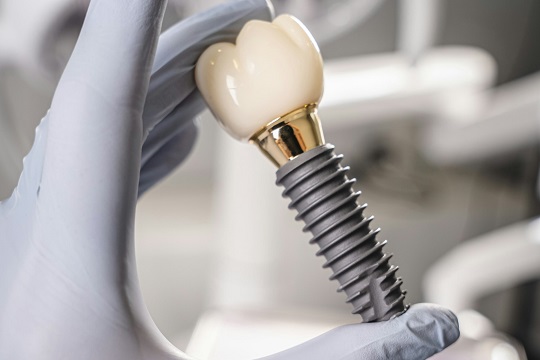
Titanium is one of the most widely used metals in the medical field. It possesses exceptional biocompatibility, allowing it to be safely utilized within the human body. Furthermore, thanks to its high strength and lightweight properties, it is ideally suited for use in implants such as artificial joints and dental implants.
Tantalum in Medical Devices
Tantalum is utilized in the medical field, particularly where bone growth and integration with bone tissue are critical. Given that its structure facilitates bone attachment, it serves as a valuable material for specialized implants.
Choosing Between the Two in Healthcare
When comparing tantalum vs titanium in healthcare, both materials offer benefits. Titanium is preferred for load-bearing implants due to its strength and lighter weight. Tantalum is often chosen for applications where bone integration and long-term stability are critical.
Aerospace Applications: What Engineers Need to Know

Why Titanium Is Common in Aerospace
Titanium is widely used in the aerospace industry because it combines strength, lightness, and good corrosion resistance. It allows for a reduction in aircraft weight while preserving their structural integrity.
Where Tantalum Is Used in Aerospace
Tantalum is used in more specialized aerospace applications. It can perform well in high-temperature environments or where corrosion resistance is required.
Design Considerations for Aerospace Buyers
When evaluating tantalum vs titanium for aerospace, engineers must consider weight, cost, thermal performance, and reliability. Titanium is usually the first choice, but tantalum may be used in niche applications.
Manufacturing and Industrial Processing Uses

Common Industrial Applications
Both metals are used in industrial settings. Titanium is used in structural components and machinery, while tantalum is used in corrosion-resistant equipment.
Buyer Pain Points
For industrial buyers, the key concerns include downtime, maintenance, and cost. Choosing the right material can reduce these risks.
Why Material Selection Affects Operations
Selecting the wrong material can lead to failure, increased maintenance, and higher costs. Therefore, understanding tantalum vs titanium is essential for long-term success.
Cost and Availability: What Buyers Should Expect
Why Titanium Is Usually More Affordable
Titanium is more widely available and easier to produce. This makes it more cost-effective for most applications.
Why Tantalum Is More Expensive
Tantalum is rarer and more difficult to process. This increases its cost and limits availability.
Supply Chain Considerations
When comparing tantalum vs titanium, buyers should consider lead times, customization, and supplier reliability. These factors can impact project timelines and costs.
How to Choose Between Tantalum and Titanium
Choose Titanium If You Need
- Lightweight design
- High strength
- Lower cost
- Easy availability
Choose Tantalum If You Need
- Extreme corrosion resistance
- High reliability
- Performance in harsh environments
Decision Framework
- Identify your operating environment
- Evaluate weight requirements
- Consider budget constraints
- Assess long-term performance needs
Common Buyer Mistakes When Selecting Metals
Choosing Based on Price Alone
Focusing only on initial cost can lead to higher long-term expenses. Lifecycle cost is more important.
Ignoring Environment and Conditions
Temperature, chemicals, and stress can affect material performance. These factors must be considered.
Overlooking Fabrication and Machining
Some materials are harder to process. This can increase production time and cost.
Frequently Asked Questions
Is tantalum better than titanium?
No, it depends on the application. Tantalum is better for corrosion resistance, while titanium is better for lightweight strength.
Why is tantalum so expensive?
Tantalum is rare and difficult to process. High demand also increases its price.
Is titanium good for medical implants?
Yes, titanium is widely used in implants because it is strong, lightweight, and biocompatible.
Which metal lasts longer?
The lifespan depends on the environment. In corrosive conditions, tantalum may last longer. In structural applications, titanium performs well.
Conclusion: Tantalum vs Titanium – Final Recommendation
When comparing tantalum vs titanium, the choice becomes clearer with a simple rule. Titanium is best for lightweight, cost-effective performance. Tantalum is best for extreme corrosion resistance and reliability in harsh environments.
Choosing between tantalum vs titanium can be complex, especially for critical applications. Working with a trusted supplier can make the process easier.
SIZEN Limited specializes in tantalum, niobium, and nitinol materials. Whether you need standard products or custom solutions, SIZEN Limited can support your project with reliable supply and technical expertise. Contact the team to find the right material for your application.
Recent News
- Niobium vs Titanium: A Practical Material Selection Guide
- ASTM B708 Tantalum: Grades, Requirements & Buying Guide
- Niobium Ring Explained: Benefits, Applications and Sourcing Guide
- Tantalum Atomic Mass: What It Is and Why It Matters for Industrial Applications
- Niobium Density: How It Affects Material Performance and Design
- Tantalum Watch: Why This Rare Metal Is Becoming a Luxury Watchmaking Favorite
- Niobium Melting Point Explained: Properties, Comparisons, and Industrial Uses
- Tantalum Melting Point: Why 3,017°C Makes It One of the Most Valuable Refractory Metals
- Tantalum Density Explained: Why This Heavy Metal Matters
- Tantalum Hafnium Carbide (Ta₄HfC₅): The Ultra-High-Temperature Material Behind Advanced Engineering